- 613-421-0505
- info@atlantistilesandflooring.co
A flooring decision can change how a room feels the moment you walk in. In the carpet versus laminate conversation, the best choice is rarely about appearance alone. It comes down to where the floor is going, who uses the space, how much maintenance you want, and whether warmth underfoot or easy cleanup matters more.
A soft bedroom, a busy family room, a rental unit, and a commercial office all place different demands on flooring. Carpet and laminate can both deliver a polished result, but they perform very differently over time. Understanding those differences before installation helps protect your budget and creates a space that works as well as it looks.
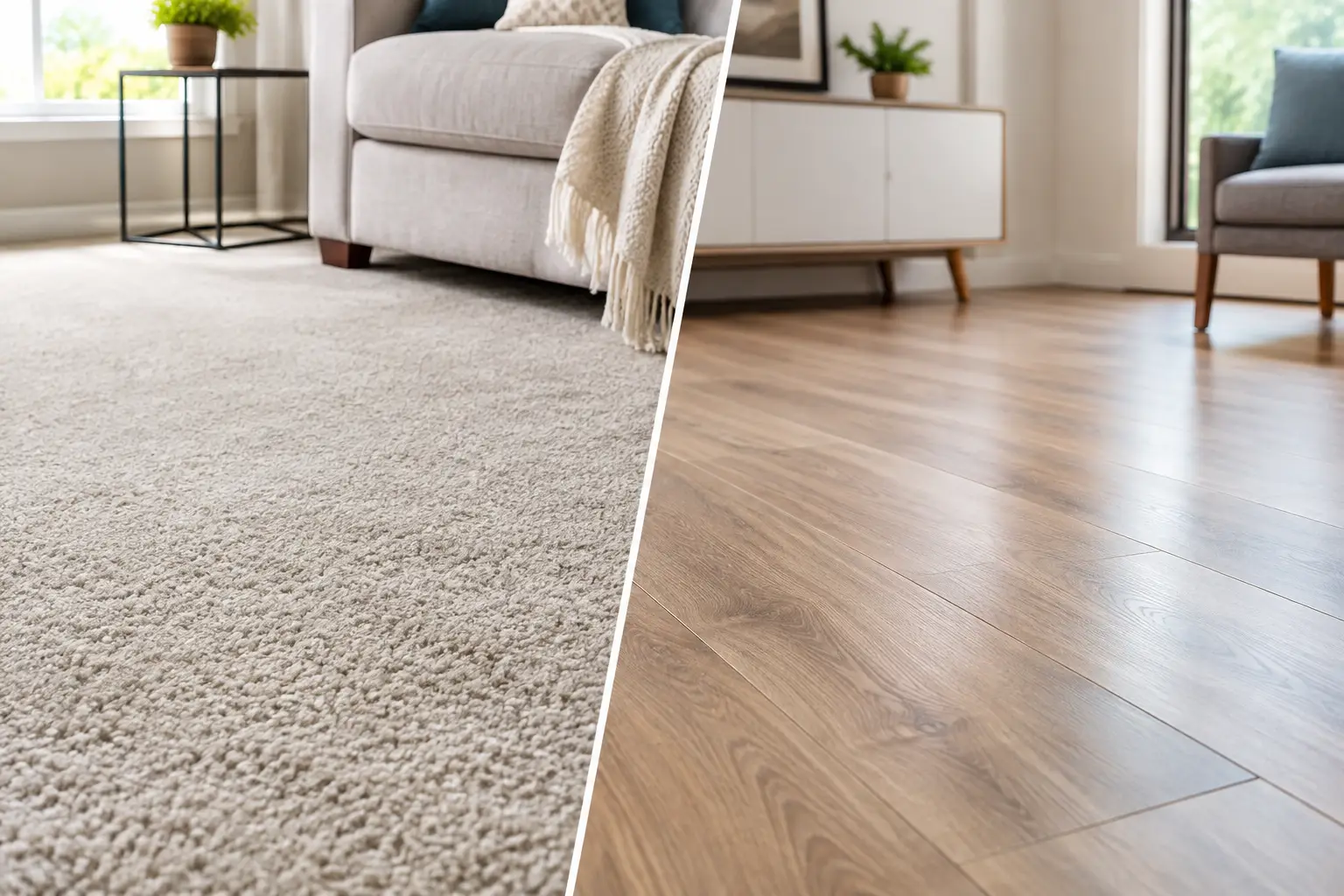
Carpet is built for comfort. Its cushioned surface absorbs sound, feels warm underfoot, and gives bedrooms, living rooms, and upstairs spaces a quieter, more relaxed character. It is especially appealing in homes where bare feet meet the floor on cold mornings or where reducing footstep noise is a priority.
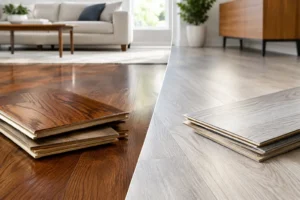
Laminate offers a firmer, more structured surface designed to resemble hardwood, stone, or tile. Modern laminate comes in a wide range of plank widths, colors, textures, and wood-look patterns, allowing homeowners to create a clean, cohesive look without the cost of solid hardwood. It is often selected for active areas where durability and simple maintenance lead the decision.
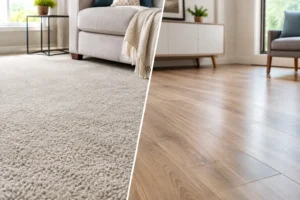
Neither material is universally better. Carpet can make a quiet retreat feel more inviting, while laminate may be the practical answer for a main floor shared by children, pets, and frequent guests.
If comfort is your first concern, carpet has a clear advantage. Carpet fibers and quality underpadding create a softer walking surface and add insulation between the floor and the room. That can make bedrooms, family rooms, and finished basements feel warmer and more comfortable, particularly in colder climates.
Carpet also helps control sound. It absorbs impact noise from footsteps, dropped toys, and moving furniture better than hard-surface flooring. In multi-level homes, condos, offices, and upper-floor bedrooms, that acoustic benefit can be significant.
Laminate can still feel comfortable when paired with a suitable underlayment, but it will not have the same softness as carpet. Its firmer surface can also create more echo in open-concept spaces. Area rugs can help add warmth and reduce sound while preserving the easy-care benefits of laminate.
Laminate is usually the stronger choice for visible wear from daily traffic. Its protective top layer resists many scratches, scuffs, and stains, making it well suited to hallways, living areas, entry-adjacent spaces, and rental properties. A quality laminate product with professional installation can hold up well when the room is used constantly.
That does not mean laminate is indestructible. Heavy impacts can chip edges, and standing water can damage products that are not rated for moisture resistance. Spills should be wiped up promptly, and entry mats are useful for limiting grit, salt, and moisture tracked indoors.
Carpet performs differently. It does not scratch, but it can show crushing in traffic lanes and may collect dirt, pet hair, and spills. Choosing the right fiber and pile style matters. A tightly twisted, stain-resistant carpet is generally better for busy households than a plush style with a longer pile. For homes with pets, consider how often accidents occur and whether regular vacuuming fits comfortably into your routine.
Laminate is a practical choice for homeowners who want straightforward day-to-day care. Regular sweeping or vacuuming with a hard-floor setting removes dirt and grit, while a lightly damp mop designed for laminate can handle most routine cleaning. Avoid soaking the floor or using steam mops unless the product manufacturer specifically permits them.
Carpet requires more ongoing attention. Vacuuming keeps surface dirt from working deeper into the fibers, and spills should be addressed quickly with the appropriate cleaning method. Periodic professional carpet cleaning can refresh the appearance and remove embedded soil, especially in high-use rooms.
For allergy concerns, the answer depends on the household. Carpet can trap dust and allergens until it is vacuumed thoroughly, while laminate provides a smooth surface that is easier to sweep clean. On the other hand, a well-maintained carpet can prevent some particles from circulating through the room. The best choice depends on cleaning habits, sensitivity levels, and the quality of the vacuum used.
Carpet is often less expensive upfront than laminate, particularly for standard residential styles. However, the complete cost should include underpadding, removal of existing flooring, transitions, subfloor preparation, and installation. A better pad can improve comfort and extend the carpet’s performance, so it is not always wise to choose the lowest-cost option.
Laminate pricing varies by thickness, finish, water resistance, and visual detail. Premium products may cost more initially, but they can offer stronger wear layers, more realistic textures, and better long-term performance in active rooms. Installation costs also depend on the condition of the subfloor and the number of cuts, transitions, stairs, or layout changes involved.
For a rental property or a renovation with a fixed budget, laminate may offer a durable, updated look with predictable maintenance. For a bedroom-focused project, carpet can provide excellent comfort and value. A free estimate is useful because it compares the complete installed cost rather than only the price per square foot.
Carpet works particularly well in bedrooms, nurseries, media rooms, upstairs hallways, and family rooms where softness and sound absorption are valuable. It can also be a smart choice in finished basements when moisture conditions are well controlled and the space is intended for relaxation rather than frequent wet or muddy traffic.
Design matters here. Neutral carpet can support changing furniture and wall colors over time, while patterned or textured styles can help hide everyday footprints and minor soil. For commercial settings, low-pile carpet or carpet tile may be appropriate in offices where acoustics and comfort matter, although the product should be selected specifically for commercial traffic.
Laminate is well suited to living rooms, dining rooms, hallways, home offices, and many main-floor areas. Its wood-look appearance can connect several rooms with one consistent finish, creating a more open and coordinated design. It is also a practical option for homes with active children or pets when a hard surface is preferred over carpet.
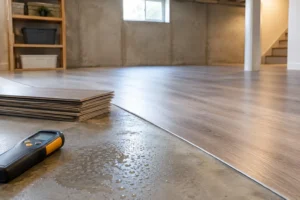
For kitchens, laundry areas, bathrooms, and below-grade spaces, do not assume every laminate product is appropriate. Moisture resistance varies widely. A flooring professional can help determine whether a water-resistant laminate is suitable or whether luxury vinyl, tile, or another material would be the more reliable choice.
Commercial decision-makers often appreciate laminate for spaces that need a clean appearance and manageable upkeep, but product ratings matter. A floor intended for a quiet office may not be the right product for a retail area, waiting room, or heavily used corridor.
Even the right material can disappoint if it is installed without proper preparation. Carpet needs a smooth, clean subfloor, correctly selected padding, secure stretching, and careful seam placement. Poor installation can lead to wrinkles, visible seams, or premature wear.
Laminate requires a level, stable subfloor and the proper expansion space around walls, doorways, and fixed objects. It must also be acclimated and installed according to manufacturer requirements. Skipping these steps can contribute to gaps, movement, edge damage, or warranty concerns.
At Atlantis Tiles and Flooring, professional guidance helps customers compare materials against the realities of the room, from moisture and traffic to subfloor condition and design goals. That planning supports an installation that looks polished from day one and performs as intended.
You do not have to use one flooring type throughout the entire property. Many successful renovations combine laminate in active shared spaces with carpet in bedrooms and upper levels. This approach gives you a durable surface where cleanup is frequent and a quieter, softer finish where rest and comfort matter most.
Start with the moments that happen in each room: wet boots at the entry, pets racing through the hall, children playing on the floor, or the first steps out of bed each morning. The right floor is the one that makes those everyday moments easier while still giving your space the finished look you want.