- 613-421-0505
- info@atlantistilesandflooring.co
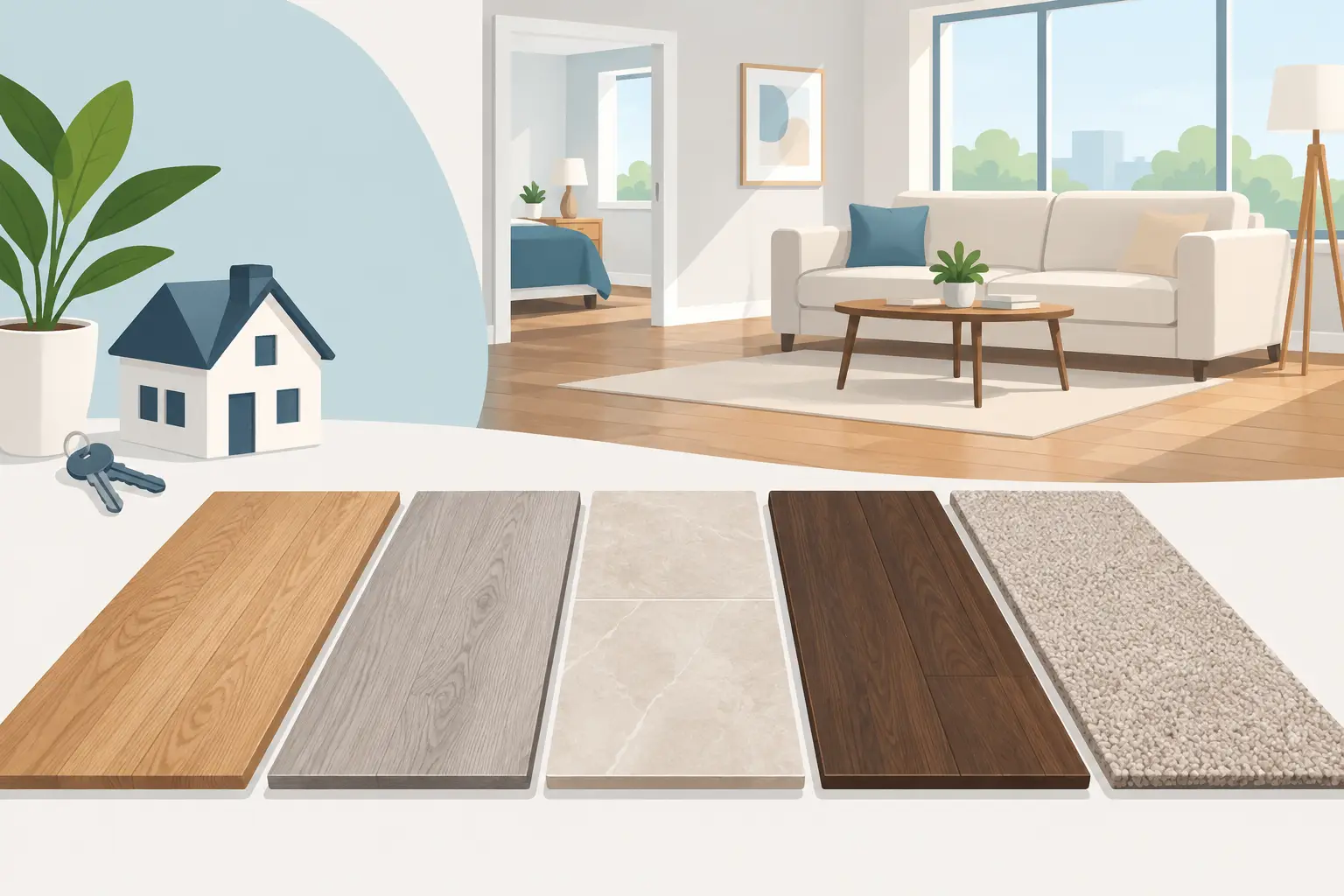
A floor in a rental has to do more than look good on move-in day. It needs to stand up to rolling chairs, wet boots, pet claws, furniture moves, and the occasional missed spill without turning every turnover into a renovation. The best flooring options for rental properties balance initial cost with service life, simple cleaning, repairability, and the kind of neutral style that appeals to more prospective tenants.
The right choice depends on the unit, the tenant profile, and where the flooring will be installed. A high-traffic family rental needs a different surface than a quiet second-floor condo, while a bathroom has very different moisture demands than a bedroom. Looking at the full cost of ownership, rather than only the price per square foot, usually leads to a better decision.
Before choosing a material, consider what the room asks of the floor. Entryways, kitchens, halls, and living rooms take the most daily traffic. Bathrooms, laundry rooms, and below-grade spaces need stronger moisture protection. Bedrooms often benefit from comfort and sound control, especially in multi-unit properties.
A single flooring type throughout the unit can create a clean, consistent look and simplify purchasing. However, it is not always the most practical approach. Many successful rental renovations use a durable hard-surface floor in common areas and a more specialized product in bathrooms or bedrooms.
Also consider what happens between tenants. Floors that can be quickly cleaned, touched up, or selectively repaired reduce vacancy time. A low-maintenance surface may cost more at purchase but save money when it avoids full replacement after a few years.
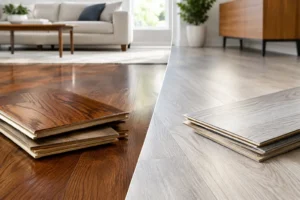
Luxury vinyl plank, often called LVP, is one of the most practical flooring options for rental properties because it combines a wood-look finish with everyday resilience. Quality vinyl plank is comfortable underfoot, easy to clean, and available in a wide range of colors and plank widths. It gives a unit a finished, current appearance without the upkeep associated with natural hardwood.
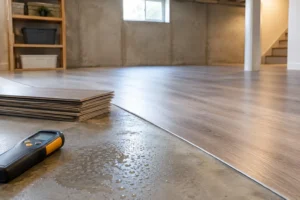
Water-resistant and waterproof product options make vinyl especially useful for kitchens, bathrooms, entryways, and basements. It also handles scratches and scuffs better than many traditional finishes, which matters in pet-friendly rentals and homes with children. When a plank is damaged, certain click-lock systems can allow targeted repairs, although access and installation method affect how simple that process will be.
Not all vinyl products perform the same way. Wear-layer thickness, core construction, subfloor preparation, and installation quality have a direct impact on how the floor looks and lasts. A thin, low-grade product may be appealing on price, but it can dent, separate, or show wear sooner in a busy rental. Choosing a quality product and installing it according to manufacturer specifications is where much of the long-term value is found.
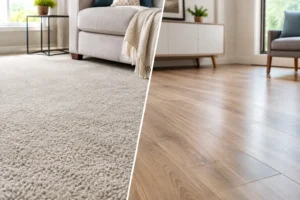
Laminate remains a cost-effective choice for living rooms, bedrooms, hallways, and other dry areas. Modern laminate can closely resemble hardwood, with realistic texture and a broad selection of tones that work with many décor styles. It is also generally easy to maintain: regular sweeping and a lightly damp mop are often enough for day-to-day care.
For rental owners, laminate can be a sensible fit when appearance and budget both matter. Its hard surface resists many everyday marks, and its floating installation can make it efficient to install over a properly prepared subfloor. A medium oak, warm greige, or natural-toned finish tends to hide dust and minor wear better than very dark or very pale floors.
Moisture is the trade-off. Standard laminate can swell when water reaches its core, so it is usually not the first choice for full bathrooms or rooms prone to standing water. Water-resistant laminate provides more protection, but it still needs prompt cleanup and careful installation around transitions and edges. In a rental where wet footwear, pets, or careless spills are frequent, vinyl may offer more peace of mind.
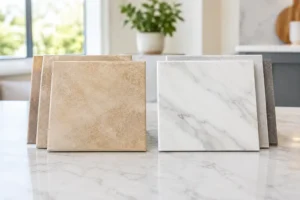
Ceramic or porcelain tile is difficult to beat in bathrooms, mudrooms, laundry areas, and entryways. It is highly resistant to water, stains, and heavy use, and a properly installed tile floor can provide years of dependable service. Tile also gives owners design flexibility, from classic neutral porcelain to stone-look or wood-look styles.
Porcelain is especially well suited to demanding areas because it is dense and durable. A matte finish can offer better traction and hide water spots more effectively than a polished surface. Larger-format tiles may create a clean, modern appearance, but the layout should suit the room and allow for proper cuts at walls and fixtures.
The main considerations are installation cost and grout maintenance. Tile requires a sound, properly prepared base, and professional installation is essential to avoid cracking, loose tile, or drainage problems. Choose a practical grout color rather than bright white in a high-use rental bathroom. A slightly darker neutral grout can keep the room looking cleaner between deep cleanings.
Carpet is no longer the default for every bedroom, but it remains useful where warmth, comfort, and sound absorption are priorities. In an upstairs bedroom or condominium unit, carpet can reduce footfall noise and make the space feel more comfortable. It is also generally affordable to replace when a room needs a fresh start between tenants.
The drawback is clear: carpet holds onto stains, odors, and allergens more readily than hard surfaces. For that reason, it is usually best reserved for low-traffic bedrooms rather than living rooms, dining rooms, or rental units that allow pets. If carpet is the right fit, select a durable, stain-resistant style in a medium neutral shade. Very light carpet shows every mark, while extremely dark shades can reveal lint and dust.
Carpet pad matters as much as the visible surface. A quality pad improves comfort and helps the carpet perform properly, but it should be matched to the carpet manufacturer’s recommendations. Proper installation and regular professional cleaning can extend service life and protect the appearance of the room.
Hardwood flooring can add real appeal to an upscale rental, particularly in historic homes, executive rentals, and properties where the finish is part of the overall value proposition. Solid hardwood is timeless, can be refinished, and offers a character that printed wood visuals cannot fully duplicate. It is best suited to dry, climate-controlled areas where tenants are likely to treat the home carefully.
Engineered hardwood provides the natural beauty of real wood with greater dimensional stability than solid hardwood. Depending on the product and installation method, it can be a suitable option for condos and main living spaces where a premium look is important. Some engineered products can also be refinished, though the number of possible refinishes depends on the thickness of the wear layer.
Both options need realistic expectations. Wood can scratch, dent, and react to excess moisture. That does not make it a poor rental choice, but it does make it a more selective one. For a standard high-turnover unit, vinyl or laminate may provide a more predictable maintenance cost. For a higher-end property, hardwood may help attract tenants who value its appearance and are willing to pay accordingly.
Rental flooring should support the unit’s appeal without locking it into a short-lived trend. Natural wood visuals, soft taupes, warm medium browns, and understated gray-beige tones are versatile choices that work with many wall colors and furniture styles. They also make future updates easier when a new tenant brings a different look to the space.
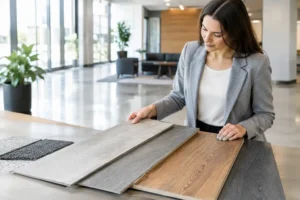
Avoid choosing strictly by a small showroom sample. View larger boards or tile samples under different lighting conditions, especially if the unit has limited natural light. Texture and sheen matter as well. Low-gloss finishes tend to disguise light scratches, dust, and footprints better than high-gloss surfaces.
It is also wise to keep extra material from the original purchase. Matching discontinued flooring years later can be difficult. A few spare planks or tiles can make small repairs faster and less expensive.
Even an excellent flooring product will disappoint if the subfloor is uneven, moisture issues are ignored, or the material is installed outside its specifications. Correct preparation helps prevent gaps, movement, cracked tile, lifted edges, and premature wear. It also affects warranties, many of which require professional or manufacturer-approved installation practices.
For rental owners, planning the installation around turnovers can minimize disruption. Measure carefully, account for baseboards and transitions, and decide in advance whether appliances, toilets, or furniture need to be moved. A clear scope and a free estimate help set realistic expectations for materials, labor, and timing.
At Atlantis Tiles and Flooring, the best recommendation begins with how your property is actually used, not with a one-size-fits-all product. Bring room measurements, photos, and a sense of your maintenance priorities to the conversation. The floor you choose should make the next showing feel polished while making the years after move-in easier to manage.