
- 613-421-0505
- info@atlantistilesandflooring.co
A kitchen floor has to do more than look good under new cabinets. It has to handle dropped utensils, wet shoes, pet bowls, busy mornings, and years of daily traffic without demanding constant attention. That is why luxury vinyl tile and plank flooring has become a practical choice for homeowners, renovators, and commercial property owners who want a polished finish with dependable performance.
This category can convincingly capture the warmth of wood, the clean look of stone, or the character of ceramic tile while providing a softer, quieter surface underfoot. The right product is not simply a matter of picking a favorite color. Wear layer, construction, subfloor condition, room use, and installation quality all affect how the floor performs over time.
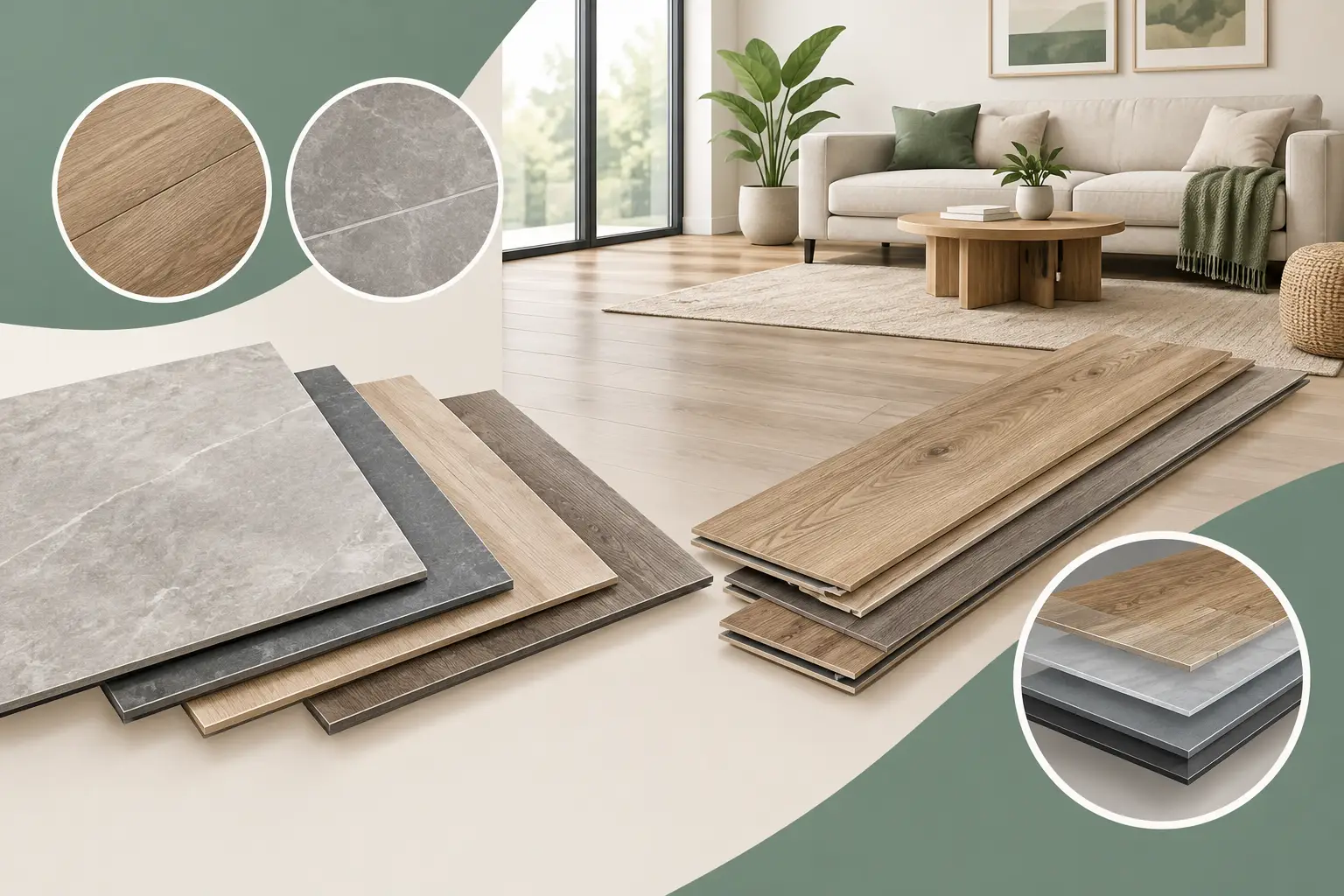
Luxury vinyl flooring is a multi-layer product designed for both visual realism and everyday durability. A high-resolution design layer creates the wood, stone, or tile appearance, while a protective wear layer helps resist scuffs, stains, and surface damage. Most products also include a stable core and backing that contribute to comfort and dimensional stability.
Luxury vinyl plank, often called LVP, uses long boards that resemble hardwood. It is a natural fit for living rooms, bedrooms, hallways, basements, and open-concept spaces where a continuous wood-look floor is desired. Luxury vinyl tile, or LVT, is available in square or rectangular formats that can recreate marble, slate, travertine, concrete, and ceramic tile looks.
The distinction is mainly visual, but it can shape the feel of a room. Plank formats often make a space feel warmer and more continuous, while tile formats can give kitchens, bathrooms, entryways, and commercial interiors a more tailored architectural look.
The appeal starts with performance. Many luxury vinyl products are water-resistant, and some are marketed as waterproof based on their core construction. This makes them a strong option for spaces where ordinary hardwood may be less practical, including finished basements, mudrooms, laundry rooms, and kitchens. Still, waterproof flooring does not mean the entire installation is immune to moisture. Water can reach walls, trim, subfloors, or adjacent materials if spills and leaks are left unaddressed.
Luxury vinyl is also comfortable compared with ceramic or natural stone. It has a little more give underfoot and tends to feel warmer, which can make a noticeable difference in family rooms and lower-level living areas. Its quieter feel is useful in multi-level homes, rental properties, offices, and commercial spaces where hard-surface noise is a concern.
For busy households, maintenance is refreshingly straightforward. Regular sweeping or vacuuming with a hard-floor setting removes grit that can dull the surface. A damp mop and manufacturer-approved cleaner are usually enough for routine care. There is no need for refinishing, sealing, or grout cleaning as there may be with hardwood or ceramic tile.
Design flexibility is another major advantage. Modern embossing and printed patterns can create realistic grain movement, knots, stone veining, and texture. Wide planks in natural oak tones suit relaxed contemporary interiors, while large-format tile designs can bring a refined stone appearance to a bathroom or reception area without the weight and maintenance demands of the real material.
Not all luxury vinyl products are built for the same job. Comparing construction details is one of the best ways to avoid choosing a floor that looks right in a sample but falls short in daily use.
The wear layer is the transparent top layer that protects the design beneath it. Thicker wear layers generally provide better resistance to scratches, scuffs, and traffic-related wear. A bedroom or low-traffic guest room may not require the same protection as a kitchen used by a family with pets, a rental unit, or a commercial corridor.
Surface finishes also vary. Some products have matte finishes that hide everyday dust and minor marks well. Others have more texture to resemble hand-scraped wood or natural stone. Texture can improve realism and traction, but deep texture may require more careful cleaning in areas exposed to dirt and debris.
Luxury vinyl is commonly available with flexible vinyl construction, rigid core construction, and wood-plastic composite, often called WPC. Rigid core options are valued for their firm feel and ability to help disguise minor subfloor imperfections. WPC products often provide added comfort and sound absorption, while other rigid cores may be chosen for their dent resistance in active spaces.
No core eliminates the need for proper preparation. A floor can only look as smooth and stable as the surface beneath it. High spots, low spots, loose material, or moisture issues should be addressed before installation. Following manufacturer requirements protects both appearance and warranty coverage.
Luxury vinyl performs well in many rooms, but each space has its own demands. In kitchens, it offers a forgiving surface for long cooking sessions and practical resistance to everyday spills. In basements, it provides a wood-look alternative where moisture conditions may make solid hardwood less suitable. In bathrooms and laundry rooms, a water-resistant or waterproof product can be a sensible choice when installed according to its specifications.
For living areas, bedrooms, and hallways, luxury vinyl creates visual continuity without the upkeep of a natural wood floor. It is especially useful when homeowners want the same look across several rooms but need a material that can stand up to children, pets, and regular entertaining.
There are trade-offs. Luxury vinyl may not add the same long-term resale appeal as premium hardwood in every market, and it cannot be sanded and refinished when its surface eventually wears. Very heavy furniture, rolling loads, and sharp objects can still dent or damage it. Sun exposure may also affect certain products over time, so window coverings and a product rated for the space can be worthwhile considerations.
Commercial settings require a more specific review. A small office, boutique, rental lobby, or light retail space may be well suited to commercial-rated luxury vinyl. Areas with exceptionally heavy point loads, constant rolling equipment, or demanding sanitation requirements may need a different construction or flooring category. Matching the product to the traffic level is more reliable than choosing based on appearance alone.
Begin with the fixed elements in the room: cabinets, countertops, wall color, furniture, and natural light. A warm oak-look plank can soften crisp white cabinetry and cool stone counters. A pale, wide-plank floor can make a compact room feel more open, while medium tones often hide everyday dust and pet hair better than very dark or very light finishes.
For tile looks, consider scale. Large-format visuals can make a room feel less busy, particularly in modern bathrooms and open spaces. Smaller patterns may bring more traditional character but can introduce more visible seams. Grout-line visuals are available on certain LVT products, though the floor remains easier to clean than traditional grouted tile.
Samples should be viewed in the actual room, at different times of day. Showroom lighting is helpful, but daylight and evening lighting can change how undertones appear. A gray floor may lean blue, beige, or brown depending on surrounding finishes.
Click-lock floating floors offer efficient installation and can be a practical choice for many renovations. Glue-down luxury vinyl is often selected for commercial environments, large open areas, or spaces where a particularly firm, secure feel is preferred. Each method has conditions, preparation requirements, and expansion details that must be handled correctly.
Professional installation helps ensure the subfloor is assessed, moisture conditions are considered, materials are acclimated when required, and transitions and trim are finished cleanly. It also prevents common problems such as visible unevenness, gaps, edge lifting, or a floor that sounds hollow underfoot. Atlantis Tiles and Flooring can help match the material and installation method to the room rather than treating every project the same.
A quality floor should support the way you live, not create another maintenance concern. Bring room measurements, photos, and a few details about traffic, pets, moisture exposure, and design preferences to your flooring consultation. With the right luxury vinyl selection and careful installation, the finished surface can look polished on day one and remain easy to live with long after the renovation dust has settled.
