- 613-421-0505
- info@atlantistilesandflooring.co
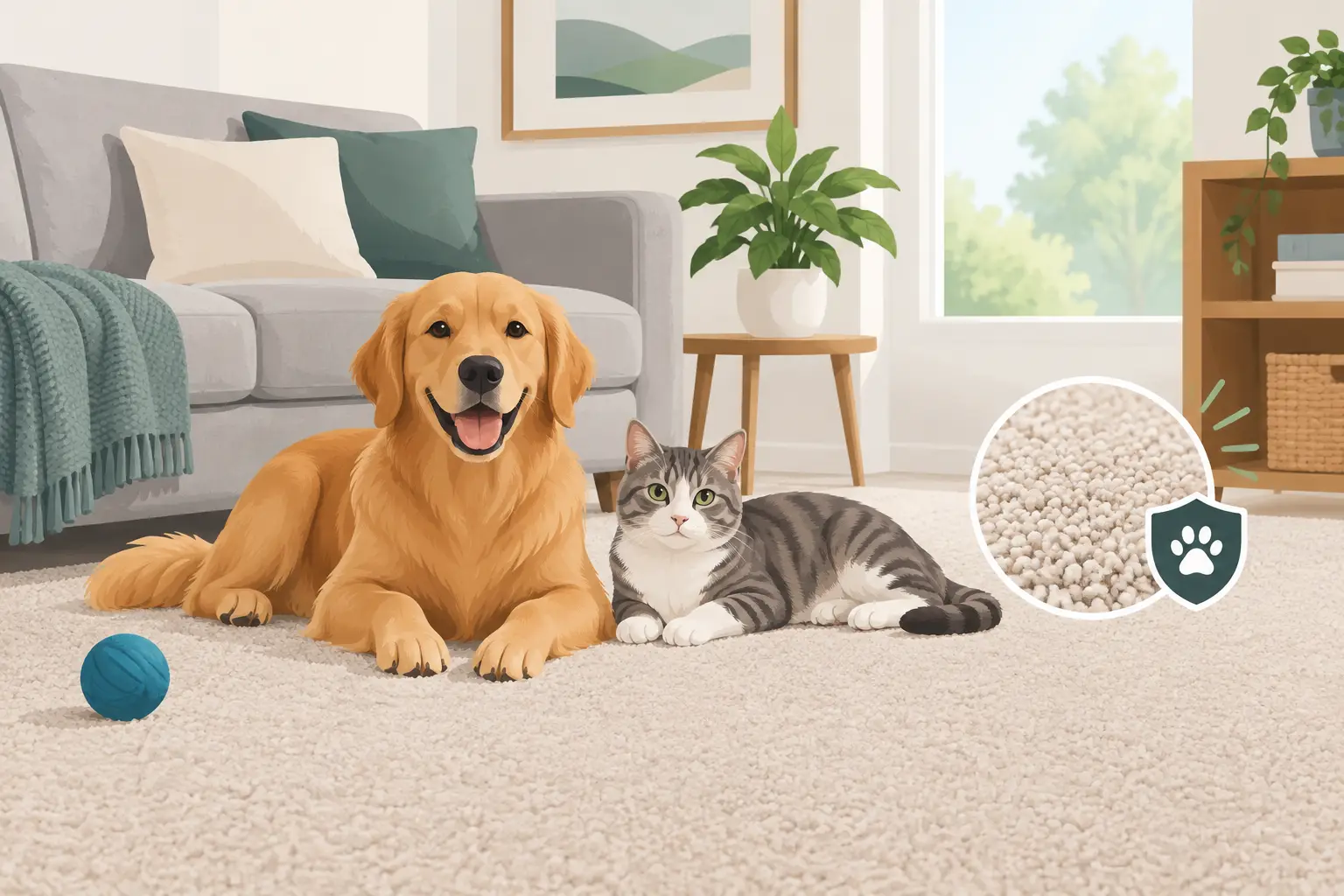
Mud tracked in after a wet walk, a favorite spot by the window, the occasional accident, and plenty of enthusiastic playtime can make carpet feel like a risky choice for pet owners. The right pet friendly carpet flooring, however, can bring warmth and comfort to bedrooms, family rooms, stairs, and finished basements without demanding constant worry. The difference comes down to fiber, construction, color, padding, and installation quality – not simply choosing the softest sample in the showroom.
Pet-friendly carpet is designed to stand up to the parts of pet ownership that affect flooring most: stains, moisture, shedding, claws, and repeated traffic. No carpet is completely immune to damage, especially when accidents sit untreated, but performance-focused materials can make cleaning easier and help the floor retain its appearance over time.
For most homes, stain resistance is the first priority. Look for carpet fibers with built-in stain and soil protection rather than a surface treatment alone. A quality stain-resistant carpet gives you more time to blot spills and clean accidents before discoloration becomes permanent. Odor resistance is also valuable, particularly in homes with puppies, senior pets, or a busy indoor-outdoor routine.
Construction matters as much as fiber. Tightly twisted yarns and lower, denser pile are less likely to crush, snag, or hold onto pet hair than loose, high-pile styles. They also create a more stable surface for pets moving through the home. A plush carpet can feel luxurious, but a dense textured or low-loop option often delivers better long-term performance in active spaces.
There is no single fiber that suits every household. Your best choice depends on whether your main concern is accidents, heavy shedding, claw wear, budget, or the softness you want underfoot.
Nylon remains a dependable choice for busy family homes because it offers excellent resilience. Its fibers bounce back well after foot traffic, pet beds, and furniture, helping the carpet maintain a more even appearance. Many nylon carpets are available with strong stain protection, making them a practical option for living rooms, hallways, stairs, and other frequently used areas.
Nylon is often priced above entry-level polyester, but its durability can justify the investment when you expect to keep the carpet for years. For a large dog, multiple pets, or a high-traffic household, this can be one of the better value decisions over the life of the floor.
Polyester carpet is naturally resistant to many water-based stains and is known for its soft feel. It can be an appealing option for bedrooms, lower-traffic family spaces, or households where spill resistance is the main concern. It is also commonly available at a budget-friendly price point.
The trade-off is resilience. Some polyester styles may flatten sooner than nylon in heavily traveled areas. Choosing a dense construction can help, but homeowners with energetic pets should compare samples carefully rather than selecting based on softness alone.
Triexta combines a soft feel with strong stain resistance and good durability. It is well suited to homes where comfort matters but pets and children create frequent cleaning challenges. Because stain resistance is built into the fiber, triexta can be especially reassuring for accident-prone areas when cleaned promptly.
As with any carpet, product quality varies. Check the pile density, warranty details, and recommended use instead of relying only on the fiber name. A flooring professional can help compare options that fit the traffic level in each room.
Wool is naturally beautiful, insulating, and long-lasting when properly maintained. It can work well in a quieter home with well-trained pets, especially in bedrooms or formal spaces. However, wool can be more vulnerable to moisture-based stains and requires more careful cleaning than synthetic fibers.
For households with frequent accidents, wet paws, or young pets, a high-quality synthetic carpet is usually the more practical choice. Wool is best selected for its natural character and comfort when the maintenance commitment fits the household.
A carpet sample can look excellent under showroom lighting, yet perform very differently once pets begin using it every day. Shorter pile and a tight texture generally make maintenance simpler. Pet hair is easier to vacuum, claws are less likely to catch, and the carpet is less likely to show traffic patterns.
Textured cut-pile carpet is a strong all-around option because its varied yarn direction helps disguise footprints, vacuum marks, and minor wear. It offers a comfortable, residential look without the formal appearance of a smooth plush carpet. Frieze styles can also hide activity well, but their longer, twisted fibers may hold more pet hair and can be harder to clean thoroughly.
Loop carpet deserves a cautious approach in homes with cats or dogs that scratch. A snagged loop can pull and create visible damage, especially on stairs or in doorways. Some tightly constructed low-loop products perform well, but a cut-pile style is usually the safer choice when claw snags are a concern.
The most practical carpet color is rarely the lightest or darkest option. Very light carpet can highlight muddy paw prints and dark fibers, while very dark carpet may reveal pale fur, dust, and lint. Mid-tone shades such as warm taupe, gray, beige, and soft brown tend to be more forgiving in pet households.
Look at your pet’s coat color as well as your wall color and furniture. A flecked, heathered, or subtly patterned carpet can conceal loose hair and everyday debris more effectively than a solid color. This does not replace regular vacuuming, but it can help the room look cleaner between cleaning days.
Before committing, take samples home and view them in morning light, evening light, and the rooms where your pets spend the most time. A color that appears neutral in a showroom may read much cooler, warmer, lighter, or darker in your home.
The carpet beneath your feet is only part of the system. A quality pad supports comfort, improves insulation, and helps the carpet wear more evenly. For pets, select a dense pad that provides support without being excessively thick. An overly soft pad can allow carpet to flex too much, which may contribute to wrinkling and premature wear.
Moisture-barrier padding can be useful for homes with young pets, older pets, or occasional accidents. It helps prevent liquids from reaching the subfloor, where odors can be much more difficult to remove. It will not make accidents disappear, though. Prompt cleanup remains essential, and severe or repeated saturation may still require professional attention.
Professional installation matters because loose seams, poor stretching, or improperly finished edges create weak points that pets can exploit. Carpet should be installed according to manufacturer specifications, with transitions and stair edges secured correctly. This protects your investment and gives the finished floor a clean, polished appearance.
A few consistent habits make a substantial difference. Vacuum at least once or twice a week in areas your pets use often, and more frequently during shedding seasons. A vacuum with effective suction and a pet-hair attachment can lift fur before it works deeper into the pile.
When an accident happens, blot immediately with clean white towels. Avoid rubbing, which can spread the stain and push moisture downward. Use a cleaner approved for your carpet type, then blot again until the area is as dry as possible. Avoid using excessive water or harsh household products, as both can leave residue or affect carpet fibers.
Place washable mats at exterior doors, keep nails trimmed, and rotate pet beds occasionally to reduce concentrated wear. Annual professional cleaning is also a sensible part of carpet care, especially in busy homes. It removes embedded soil that ordinary vacuuming cannot reach and helps preserve the carpet’s texture.
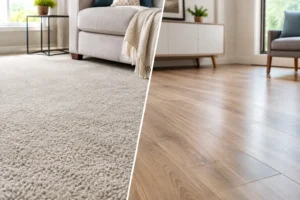
One carpet does not need to solve every flooring need in the house. A stain-resistant, dense carpet may be ideal for bedrooms, a family room, or stairs, while luxury vinyl, tile, or another hard-surface floor may be more practical near exterior doors, feeding stations, laundry rooms, and mudrooms.
This room-by-room approach can give you the comfort of carpet where it is most appreciated and easier moisture management where it matters most. It can also help control the project budget without compromising the overall design.
At Atlantis Tiles and Flooring, professional guidance can help you compare carpet samples, padding choices, and installation details based on your pets, traffic levels, décor, and budget. Bring a photo of the room, a sample of your paint color, and an honest picture of daily life with your pets. The best carpet is not the one that asks your household to change – it is the one that lets your home stay comfortable, welcoming, and ready for the life happening on it.