- 613-421-0505
- info@atlantistilesandflooring.co
A tile that looks perfect under showroom lighting still has to handle wet boots at the entryway, splashes around the kitchen sink, and everyday traffic from kids, pets, and guests. When comparing ceramic versus porcelain tile, the better choice is not always the one with the higher price tag. It is the tile that suits the room, the subfloor, the level of use, and the finished look you want to live with for years.
Both materials are durable, attractive, and easy to maintain compared with many other flooring options. They also come in an enormous range of colors, shapes, textures, and stone- or wood-look designs. The differences become more meaningful when moisture, heavy use, outdoor exposure, installation requirements, and budget enter the picture.
Ceramic and porcelain are both fired clay tiles, but porcelain is made from finer clay and minerals, then fired at a higher temperature. This process creates a denser tile with lower water absorption. In practical terms, porcelain is usually harder, less porous, and better suited to demanding conditions.
Ceramic tile is still a strong performer for many residential spaces. It is often easier to cut and may offer a more budget-friendly starting point, particularly for wall tile and standard floor tile. A well-chosen ceramic tile can be an excellent choice for a powder room, kitchen backsplash, laundry room, or low-to-moderate traffic floor.
Porcelain generally costs more, but its density can justify the investment in rooms that face frequent moisture or abrasion. It is commonly selected for busy entryways, bathrooms, mudrooms, kitchens, commercial spaces, and some exterior applications. Product specifications matter, however. Not every porcelain tile is designed for every location, so the intended use should always guide the selection.
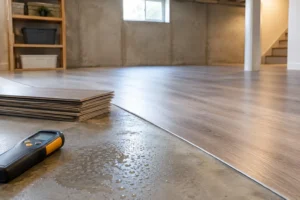
Moisture is one of the clearest dividing lines between the two materials. Porcelain absorbs very little water, which makes it a dependable option for wet areas and spaces where temperature changes may occur. For a bathroom floor, shower surround, mudroom, or basement with occasional humidity concerns, porcelain offers added peace of mind.
Ceramic tile can also work beautifully in bathrooms and kitchens when it is rated for the application and installed correctly. The tile itself is only part of the moisture-management system. Proper substrate preparation, appropriate waterproofing in wet zones, compatible grout, and carefully sealed transitions all affect how the finished installation performs.
For shower floors, outdoor patios, and areas exposed to freeze-thaw conditions, porcelain is often the more suitable choice. Its lower absorption rate helps it manage moisture better than standard ceramic. In an Ottawa-area home, where winter conditions can be demanding, confirming that an exterior tile is rated for outdoor use is particularly important.
Porcelain tends to be denser and more resistant to chips, scratches, and wear. That advantage is valuable in a front foyer where grit and road salt may be tracked in, or in a busy kitchen where chairs, cookware, and pets put the floor to work every day. Through-body porcelain, where the color or pattern extends through the tile body, can make minor chips less noticeable than they would be on a glazed surface.
Ceramic is durable, but it is generally a better fit for lighter-duty applications unless a specific product is rated for heavier traffic. Wall tile is a common example. A decorative ceramic backsplash does not need the same impact resistance as a commercial lobby floor, so choosing porcelain simply because it is harder may add cost without adding much practical value.
The finish deserves as much attention as the tile body. A polished porcelain floor can look refined, but it may show water spots or become slippery when wet. Matte, textured, or slip-resistant finishes are often better choices for bathrooms, entrances, and commercial spaces. The most attractive tile is only successful when it is comfortable and safe to use.
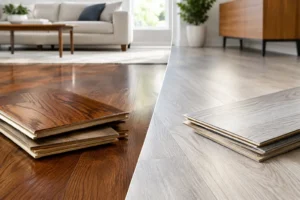
The visual choice between ceramic and porcelain is rarely a matter of one looking better than the other. Both are available in classic subway tile, large-format slabs, mosaics, bold patterned designs, and realistic wood- and stone-look finishes.
Porcelain is especially popular for large-format floor tile and designs that mimic natural stone, concrete, or hardwood. Its manufacturing process can produce detailed graphics and convincing textures, helping homeowners achieve a high-end look with easier care than natural materials. Large porcelain tiles can also create a more open, continuous appearance in kitchens, living areas, and bathrooms because they use fewer grout lines.
Ceramic often shines in decorative applications. Glossy wall tile, handcrafted-look pieces, colored subway tile, and patterned backsplashes can bring personality to a kitchen or bath without placing unnecessary demands on the budget. A ceramic wall feature paired with porcelain flooring can also be a smart way to balance style and performance within one room.
Ceramic tile often has a lower material cost than porcelain, although premium ceramic designs can still be expensive. Porcelain can cost more because it is denser, more difficult to manufacture, and often designed for higher-performance uses. The price difference varies widely by size, finish, country of origin, and design.
Installation costs can narrow or widen that gap. Dense porcelain may require specialized blades and additional labor to cut accurately, especially with large-format tile, intricate patterns, or detailed edge work. Large tiles also demand a very flat, properly prepared surface. If the subfloor or wall needs correction before installation, that preparation is not optional – it protects the appearance and long-term performance of the tile.
When reviewing an estimate, consider the complete project rather than tile alone. Include underlayment or uncoupling material, waterproofing where required, grout, trims, transitions, removal of existing flooring, surface preparation, and installation. A lower-priced tile is not a savings if it is not rated for the room or if the installation system is incomplete.
Tile is rigid, which means it reflects problems beneath it. An uneven floor, movement in the subfloor, poorly prepared walls, or incorrect adhesive can lead to cracked grout, loose tile, lippage, or water damage. These issues are not solved by choosing a more expensive porcelain.
Professional installation helps ensure that the tile is set according to manufacturer requirements and appropriate industry methods. The installer should account for tile size, layout, expansion joints, grout joint width, mortar coverage, and the conditions of the existing surface. In wet areas, waterproofing details around showers, tubs, niches, and transitions deserve particular attention.
For homeowners planning a renovation, it helps to make tile decisions early. Tile thickness, edge profile, and layout can affect cabinet clearances, door swings, transition heights, plumbing fixtures, and the placement of floor heating. Coordinating these details before work begins leads to a more polished result.
Both ceramic and porcelain are low-maintenance surfaces. Routine sweeping or vacuuming removes abrasive grit, while a damp mop and a cleaner approved for tile will handle normal soil. Avoid harsh acids, oil-based cleaners, and products that leave a waxy film, as they can dull the finish or make the floor harder to clean over time.
Porcelain typically needs little attention beyond regular cleaning. Ceramic is also easy to care for, although some glazed tiles may be more vulnerable to visible chips in hard-use locations. In either case, grout is usually the part of the installation that needs the most care. Selecting a practical grout color, using high-quality grout, and following recommended sealing or cleaning guidance can reduce staining and keep joints looking fresh.
Textured tile can require a little more cleaning effort than a smooth finish because dirt can settle into the surface. That trade-off may be worthwhile in a mudroom or bathroom where extra traction matters.
Choose porcelain when the room has heavy traffic, regular moisture, outdoor exposure, or a need for exceptional wear resistance. It is a particularly practical choice for entryways, busy kitchens, bathrooms, laundry rooms, basements, and commercial flooring.
Choose ceramic when you want a cost-conscious, attractive option for walls, backsplashes, and lower-impact interior floors. It can deliver a polished, durable finish without paying for performance the room does not require.
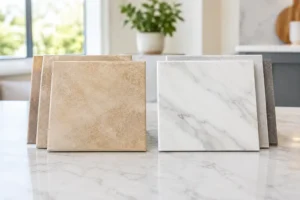
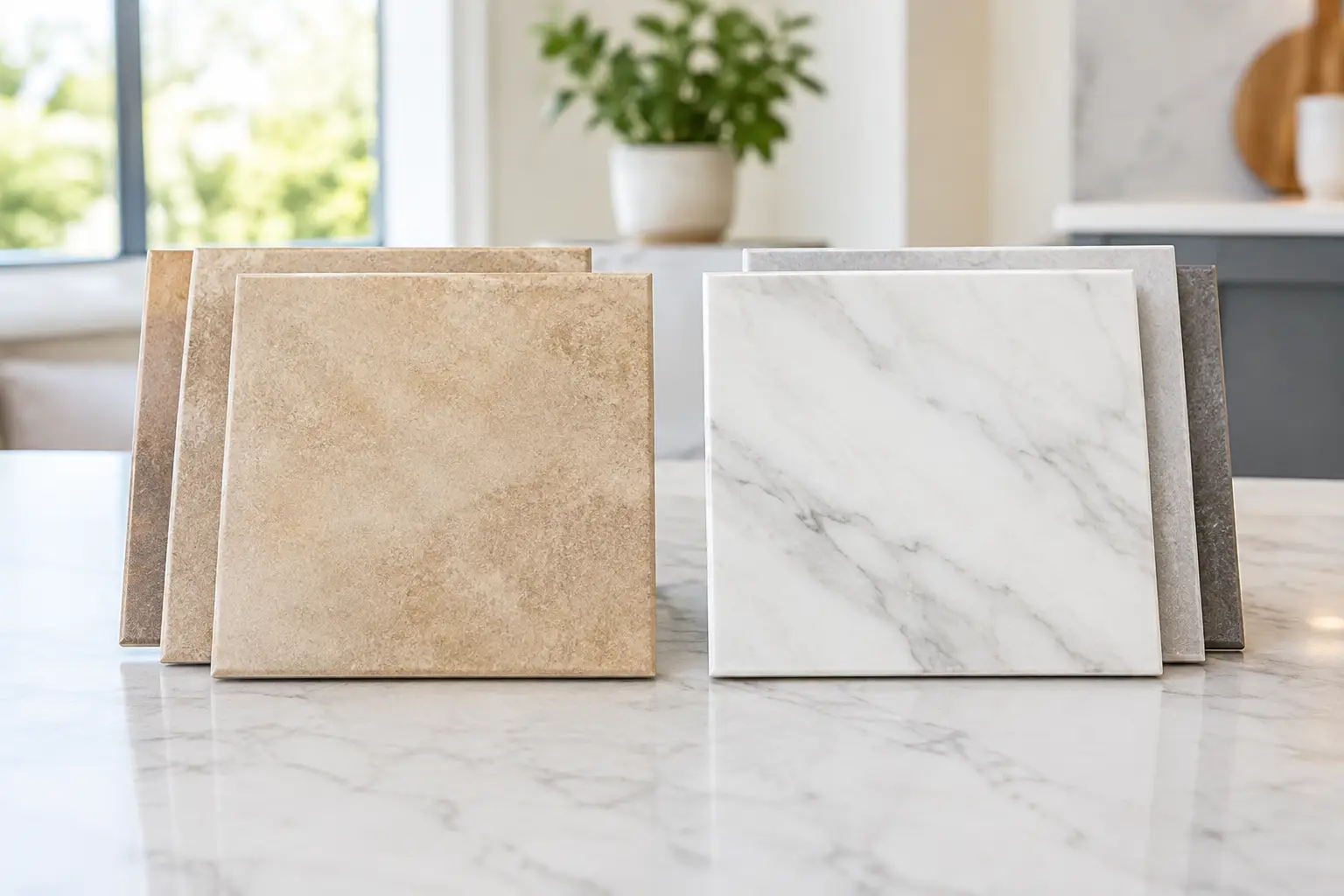
If you are torn between two options, bring home samples and view them in the actual room. Look at them in morning light, evening light, and with your cabinetry or paint colors nearby. Then consider the less glamorous questions: Will the finish be slippery when wet? Will the grout color suit your household? Is the tile rated for the location? Those answers usually make the decision clearer.
A flooring professional can help match the tile to the realities of your space, from subfloor condition to room traffic and design goals. The right selection, installed with care, gives you more than a beautiful surface – it gives your home a finish that is ready for daily life.