- 613-421-0505
- info@atlantistilesandflooring.co
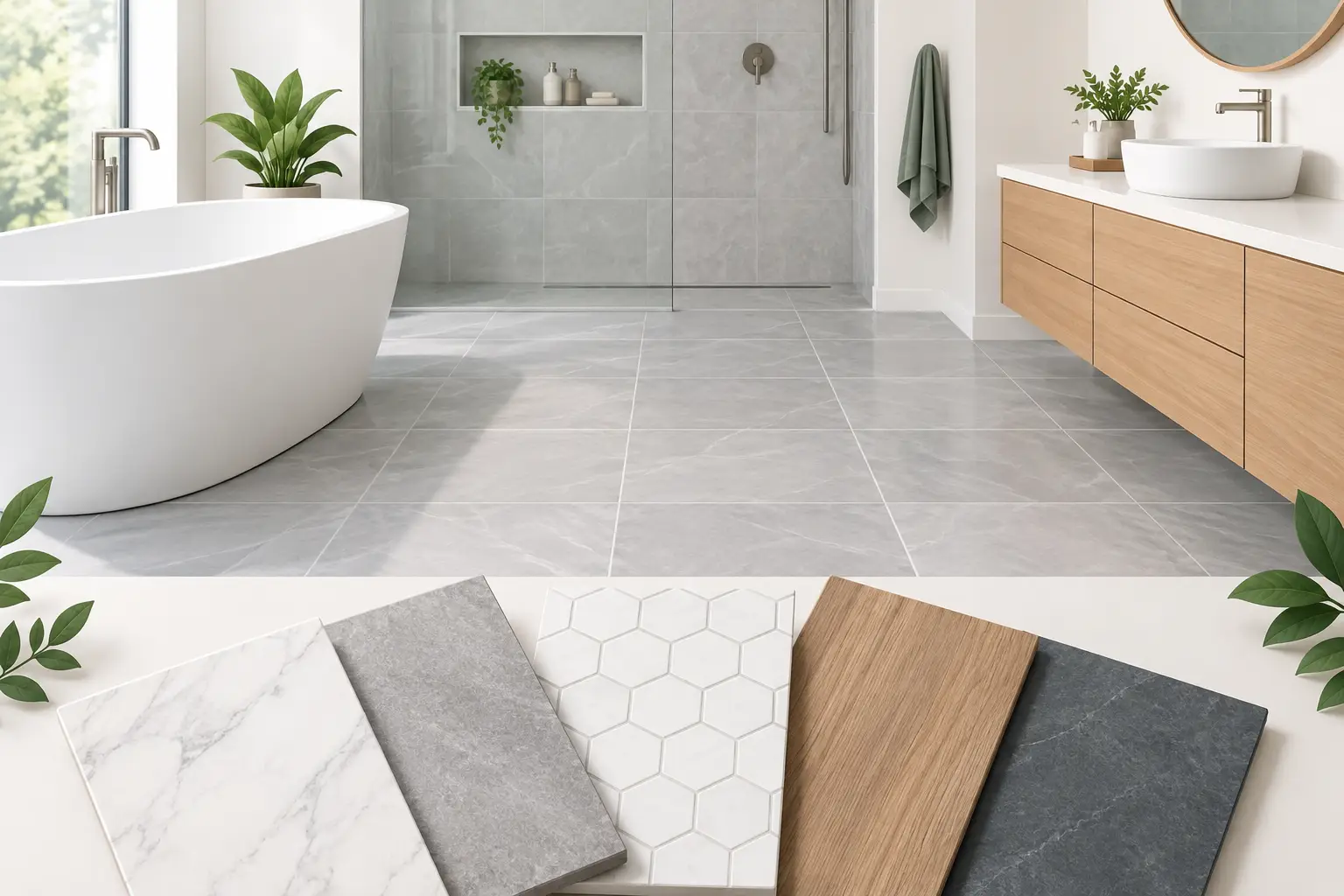
A bathroom floor faces more than occasional splashes. It handles wet feet, humidity, dropped toiletries, daily cleaning, and the wear of busy mornings. The best tile for bathroom floors should look right in the room, but it also needs to provide dependable moisture resistance, safe footing, and lasting value.
For many homes, porcelain tile is the strongest all-around choice. That does not mean it is automatically right for every bathroom. Ceramic tile, natural stone, and certain textured finishes can be excellent options when the budget, design direction, and maintenance expectations call for them. The goal is to choose a floor that performs well long after the renovation is finished.
Bathrooms are high-moisture spaces, even when water is not visibly standing on the floor. Steam from showers, damp bath mats, and small spills all make water resistance a priority. Floor tile should also stand up to cleaners and resist staining, especially in family bathrooms and rental properties where maintenance needs to stay simple.
Slip resistance deserves equal attention. A beautiful polished tile can become slick when wet, particularly near a shower, tub, or vanity. Look for floor-rated tile with a matte, textured, or lightly structured finish. Smaller tiles can also improve traction because the additional grout joints create more grip underfoot.
Durability matters beyond the tile itself. A long-lasting bathroom floor depends on a properly prepared subfloor, the right setting materials, correct grout, and careful installation around fixtures and transitions. Professional installation according to manufacturer specifications helps prevent cracked tile, loose grout, and moisture problems beneath the finished surface.
Porcelain is often considered the best overall bathroom floor tile because it is dense, highly water-resistant, durable, and available in a wide range of styles. It can create the clean look of concrete, the warmth of wood, the character of natural stone, or a simple modern solid color without demanding extensive upkeep.
For a main bathroom, kids’ bathroom, or high-traffic powder room, porcelain offers practical peace of mind. It resists scratches and stains well, and routine care usually involves sweeping and mopping with a suitable cleaner. It is also a smart choice for homeowners who want a premium finish that can handle changing décor over time.
Porcelain does have trade-offs. It is harder and colder underfoot than resilient flooring, and installation requires a level substrate and experienced handling. Large-format porcelain can create a refined, low-grout look, but it is less forgiving of uneven floors. If comfort is a concern, a heated floor system beneath the tile can make a major difference on cold mornings.
Matte porcelain is a reliable starting point for most bathroom floors. It softens glare, hides water spots better than high-gloss finishes, and generally provides more secure footing. Stone-look porcelain suits traditional, transitional, and spa-inspired bathrooms, while concrete-look tile works well in contemporary spaces.
Wood-look porcelain can be especially effective when a homeowner wants visual continuity from a hallway or bedroom into the bathroom. Choose a floor-rated product with texture and avoid overly smooth, glossy planks in wet areas. A staggered or herringbone layout can add character, though it may increase labor and material waste.
Ceramic tile remains a strong option for bathroom floors, particularly in powder rooms and lower-traffic bathrooms. It comes in an extensive selection of colors, patterns, and sizes, often at a more accessible price than porcelain. Properly selected and installed ceramic tile is moisture-resistant, easy to clean, and capable of delivering a polished finished result.
The key is selecting ceramic rated for floor use. Wall tile is not designed to carry foot traffic and may be too slick or fragile for the floor. A floor-rated ceramic with a matte or textured surface can provide excellent performance in a guest bathroom or a renovation where budget control is a priority.
Compared with porcelain, ceramic is generally less dense and may be more prone to chipping under heavy impact. That is rarely a deciding factor in a lightly used powder room, but it can matter in a busy family bathroom. If the room will see frequent use, porcelain is usually worth considering for its added durability.
Marble, slate, travertine, and limestone bring natural variation that manufactured tile cannot fully duplicate. Each piece has individual veining, movement, and color variation, giving the bathroom a distinctive, high-end appearance. Stone can be an excellent fit for homeowners who value authentic materials and are willing to maintain them.
Natural stone requires more attention than porcelain or ceramic. Most stone floors need sealing to help resist moisture and staining, and the sealant must be renewed as needed. Acidic or harsh cleaners can damage certain stones, while polished marble can show etching and become slippery when wet.
For bathroom floors, honed finishes are typically more practical than polished surfaces. Slate can offer natural texture and strong visual depth, while tumbled travertine provides an aged, relaxed look. Stone is not a low-maintenance choice, but with the right finish, installation, and care plan, it can be a lasting feature of a well-designed bathroom.
Tile size affects both the appearance and performance of the floor. Large tiles can make a compact bathroom feel more open because there are fewer grout lines. They suit clean, modern designs and can be easier to wipe down. However, large-format tile needs a very flat substrate to avoid lippage, where one tile edge sits higher than the next.
Smaller tiles, including mosaic sheets, are especially useful on shower floors or areas where extra traction is needed. Their many grout joints provide grip and allow the tile to follow floor slopes more easily. In a main bathroom, a larger field tile paired with a mosaic shower floor can create a coordinated look without making every surface feel busy.
Grout color deserves a practical decision, not just a design decision. A close color match creates a quieter, more continuous floor. A contrasting grout emphasizes the tile pattern and can add visual energy, but it may show dirt or discoloration more readily. Quality grout and proper sealing, where recommended, make everyday maintenance easier.
A small powder room can support a bolder patterned ceramic or porcelain tile because the space is limited and usually stays relatively dry. A busy family bathroom benefits from durable matte porcelain in a mid-tone shade that conceals dust, hair, and water marks better than very dark or very light tile.
For an accessible bathroom, prioritize a slip-resistant finish, minimal height changes at the doorway, and an installation plan that supports safe movement. For a primary bathroom, the design can be more expressive, but wet-zone safety should still guide the final finish selection. A light stone-look porcelain with warm undertones is often a dependable choice when the goal is a calm, timeless retreat.
Budget should include more than the tile price. Underlayment, waterproofing, grout, trim pieces, demolition, subfloor preparation, and installation all affect the final investment. A less expensive tile installed on an inadequate surface can become costly to repair. Choosing quality materials and a complete installation approach protects the floor and the room beneath it.
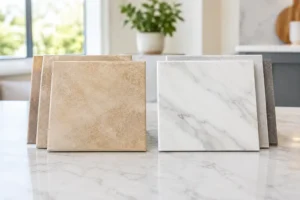
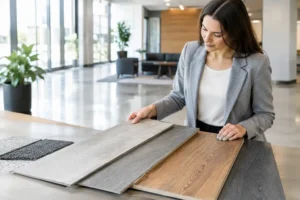
Bring samples into the actual bathroom whenever possible. View them in daylight and under the room’s installed lighting, since color and texture can look very different from a showroom display. Check how the tile works with cabinetry, countertop finishes, wall paint, and the metal finishes planned for faucets and lighting.
Before work begins, confirm where waterproofing is needed, how the floor will transition to adjacent rooms, and whether doors or vanities require adjustment. An experienced flooring team can assess subfloor condition, recommend appropriate tile sizes and setting materials, and provide a clear estimate before the project moves forward.
The right bathroom tile should make daily life easier while giving the room a finished look you enjoy seeing every morning. Choose a floor-rated, slip-conscious tile that fits your maintenance habits and design goals, then give it the precise preparation and installation it deserves.