- 613-421-0505
- info@atlantistilesandflooring.co
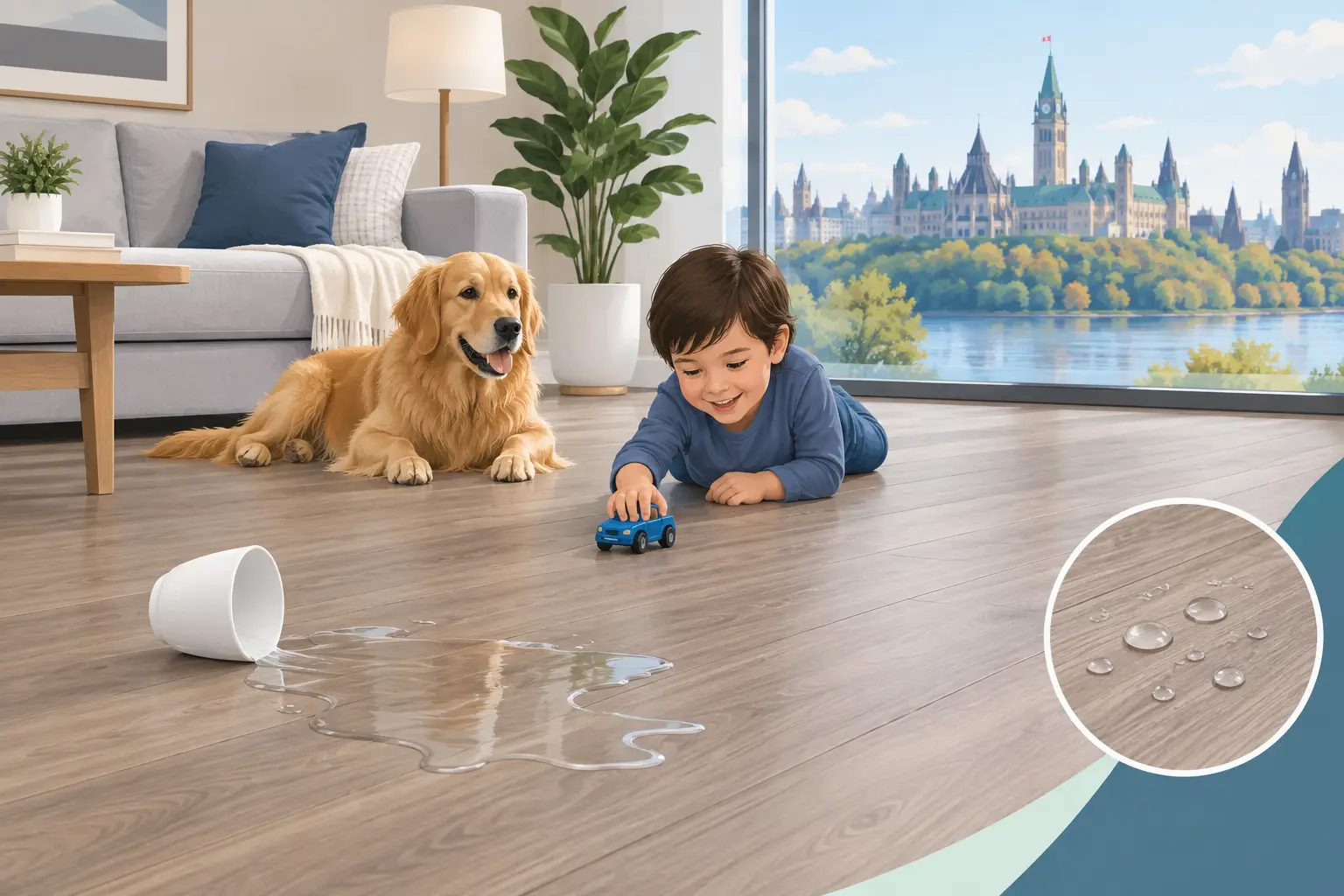
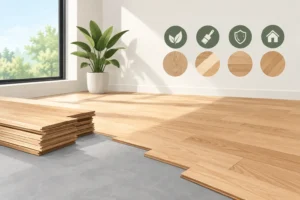
A wet pair of boots by the front door, a spilled glass at dinner, and snow tracked in during an Ottawa winter can test any floor. Waterproof laminate flooring Ottawa homeowners choose can provide the warm look of hardwood with a more forgiving surface for everyday life. The key is choosing a product that suits the room, the amount of moisture it will face, and the condition of the subfloor beneath it.
Laminate has come a long way from the basic flooring many people remember. Premium waterproof options offer realistic wood textures, longer and wider planks, convincing color variation, and protective surface technology designed for active households. For families, pet owners, rental-property owners, and busy commercial spaces, it can be a practical way to create a polished floor without the maintenance demands or cost of solid hardwood.
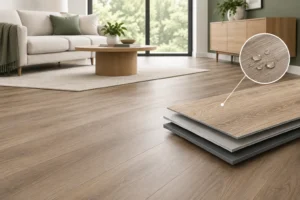
Waterproof laminate flooring is built to resist moisture reaching the core of the plank for a stated period, often through sealed edges, a dense core, and a tightly locking installation system. That protection matters when spills happen, but it does not mean every laminate floor can be treated like ceramic tile or left standing in water indefinitely.
This distinction is worth understanding before making a purchase. Some products are water-resistant, meaning they can handle brief spills when cleaned promptly. Others are marketed as waterproof and provide broader protection under specific manufacturer conditions. Warranty terms may require spills to be wiped up within a certain timeframe, proper perimeter expansion space, and approved underlayment or installation methods.
A dependable flooring decision starts with the product specifications, not just the label on the display. The right choice should match the demands of the space and be installed according to manufacturer requirements. That is especially important in Ottawa, where wet outerwear, slush, changing indoor humidity, and basement moisture can all affect flooring performance.
Waterproof laminate is often a strong fit for main-floor living areas, kitchens, bedrooms, hallways, entryways, and finished basements with a properly prepared concrete slab. It gives homeowners continuity between rooms while maintaining a wood-inspired look that complements traditional, modern, and transitional interiors.
In a kitchen, laminate can be easier on the budget than hardwood while still delivering a refined result. Its wear layer helps resist the scuffs and marks that come with chairs, dropped utensils, and daily traffic. In hallways and mudroom-adjacent areas, waterproof performance adds valuable peace of mind when people come inside with wet shoes.
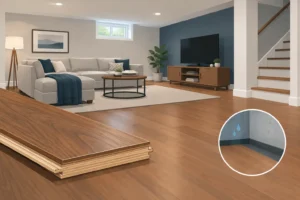
Finished basements can also benefit, but the preparation stage cannot be skipped. Concrete must be tested for moisture, leveled as required, and paired with the appropriate underlayment or moisture barrier. Waterproof planks protect against surface spills, yet they cannot solve moisture coming up through an unprepared slab or a foundation issue.
Bathrooms deserve a more careful conversation. Some waterproof laminate products are approved for bathrooms, while others are not. A powder room with limited moisture is very different from a full bathroom used by a busy family. For spaces with frequent splashing, high humidity, or a greater risk of standing water, luxury vinyl or ceramic tile may be the better long-term choice.
A floor should look good in the showroom, but it also needs to perform after years of use. Start by considering the room, your household habits, and the visual result you want. A light oak look can make a compact room feel more open, while rich walnut tones create warmth in a larger living area. Textured finishes can add realism and help disguise small marks, although deeply textured surfaces may require more attention during cleaning.
Plank thickness influences the feel of the floor and can help smooth out minor subfloor variations, but thickness alone does not determine quality. Pay close attention to the core construction, locking system, wear-layer rating, edge treatment, and moisture warranty. A well-made locking system is essential because gaps between planks can compromise both appearance and moisture protection.
For homes with dogs, children, or frequent guests, choose a finish designed for scratch and stain resistance. No laminate is completely scratch-proof, particularly under heavy furniture or sharp pet claws, but quality products hold up well when paired with felt pads, entry mats, and routine care.
Color selection also deserves a practical view. Very dark flooring can show dust, while extremely light flooring may reveal muddy footprints in an active entryway. Mid-tone natural wood looks are often a flexible choice because they work with changing furniture and décor while being more forgiving between cleanings.
New flooring affects more than the room where it is installed. It may meet tile, carpet, hardwood, stairs, cabinets, appliances, or exterior doors. Planning transitions in advance helps prevent awkward height changes and supports a finished appearance.
This is one reason a site assessment is valuable. Measuring the space, checking subfloor conditions, and reviewing door clearances before installation can prevent surprises once work begins. It also helps determine whether existing flooring needs to be removed or whether a suitable installation over an existing surface is possible.
Even premium waterproof laminate can disappoint if it is installed incorrectly. The subfloor must be clean, dry, flat, and structurally sound. Small dips or high spots can cause movement, noise, or stress on the locking joints over time.
Most laminate flooring is installed as a floating floor, meaning the planks lock together but are not fastened directly to the subfloor. That design requires room for expansion and contraction around walls, door frames, fixed objects, and other boundaries. Baseboards and trim cover these expansion gaps after installation, creating a clean finished edge without restricting the floor.
Professional installation brings particular value in rooms with complex layouts, large open spaces, transitions, stairs, or moisture concerns. It also ensures the correct underlayment, vapor barrier, trim pieces, and installation materials are used. Following manufacturer specifications protects the investment and helps preserve applicable warranty coverage.
At Atlantis Tiles and Flooring, product selection and installation planning are approached as one complete project. A free estimate can help clarify material quantities, subfloor preparation, transition details, and the realistic timeline needed for a durable finished floor.
Waterproof laminate is low maintenance, but low maintenance does not mean no maintenance. Regular sweeping or vacuuming with a hard-floor setting removes grit that can dull the finish over time. For deeper cleaning, use a lightly damp microfiber mop and a laminate-safe cleaner approved for the product.
Avoid soaking the floor, steam mops, abrasive scrubbers, wax, and harsh cleaners. Excess water can work its way into seams or around the edges, even on products designed for moisture resistance. Wipe spills promptly, place mats at exterior doors, and use protective pads under furniture legs.
In winter, a good entry mat routine matters. Keep mats breathable and avoid rubber-backed products unless the flooring manufacturer approves them, as certain backings can trap moisture or affect the finish. These small habits help preserve the look of the floor through the seasons.
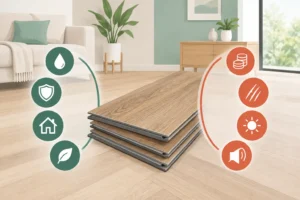
Waterproof laminate is an excellent middle ground for many Ottawa homes. It offers the appearance of wood, comfortable underfoot feel, straightforward maintenance, and better spill protection than traditional laminate. It can also be a budget-conscious alternative when a homeowner wants a coordinated look across several rooms.
Still, it depends on the room. For a laundry area with a higher chance of appliance leaks, a full family bathroom, or a commercial setting with frequent wet cleaning, luxury vinyl or tile may offer more appropriate protection. For a formal living room where authentic wood character is the priority, engineered or solid hardwood may be worth considering.
The best floor is the one that balances style, budget, traffic, moisture exposure, and installation conditions without asking you to change how you live. Bring room measurements, photos, and a few details about your household to a flooring consultation. A clear conversation before selection can lead to a floor that looks right on day one and continues to serve your home well through every season.