- 613-421-0505
- info@atlantistilesandflooring.co
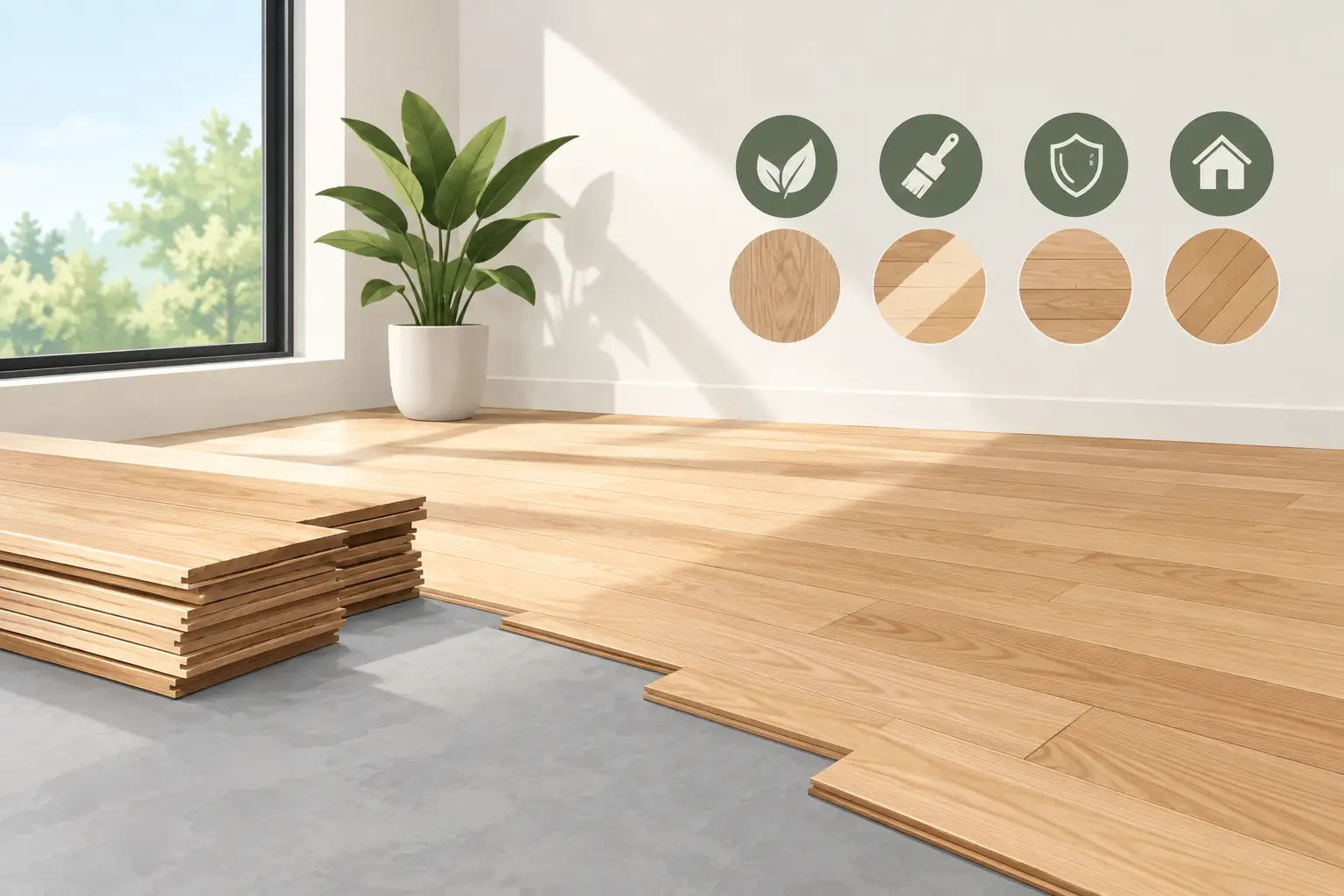
A hardwood floor can look excellent in a showroom and still feel slightly wrong once it meets your cabinetry, natural light, and existing trim. That is where unfinished hardwood flooring benefits become especially valuable. Because the boards are installed before they are sanded, stained, and sealed, the finished floor can be tailored to the room rather than selected from a limited set of factory colors.
For homeowners planning a kitchen renovation, a whole-home update, or a new-build project, unfinished hardwood offers a high level of design control and a refined final appearance. It also requires more planning than prefinished flooring. Understanding both sides helps you choose a floor that suits your schedule, household, and long-term expectations.
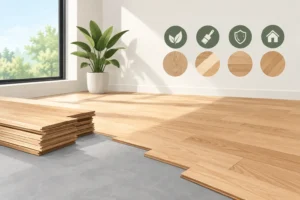
Unfinished hardwood arrives as raw wood planks without the final stain and protective topcoat applied. After installation, a flooring professional sands the floor so the boards sit flush, applies the chosen stain if desired, and finishes the surface with a compatible protective coating.
This process differs from prefinished hardwood, which has its stain and finish applied at the factory before it reaches the job site. Prefinished products can be a practical fit for projects with tight timelines, but unfinished hardwood creates a floor with fewer visible transitions between boards and more flexibility in the final color.
The biggest advantage is simple: you have more control over the finished look. That matters when flooring needs to work with the rest of the home rather than compete with it.
Factory-finished hardwood comes in a range of attractive colors, but the available shades are still predetermined. With unfinished wood, the stain is selected after you see the installed floor in the actual space. You can compare samples against wall paint, cabinetry, stone, furniture, and trim before making a final decision.
This is especially useful when matching an existing hardwood floor in an adjoining room. A professional can blend new material with the character and tone of the older floor far more effectively than a standard factory finish allows. Even if an exact match is not possible, careful stain selection can create a coordinated transition.
Unfinished hardwood also gives you the option to skip stain altogether. Natural oak, maple, walnut, and other species each bring their own grain, warmth, and variation. A clear finish can preserve that character while providing everyday protection.
After the boards are installed, unfinished hardwood is sanded across the entire floor. This levels minor differences between planks and helps create a continuous surface from board to board. The result is a clean, custom appearance that many homeowners associate with traditional site-finished hardwood.
Prefinished boards often have micro-beveled edges. Those small grooves define each plank and can be an attractive design choice, particularly in rustic or wide-plank styles. A site-finished floor generally has a flatter visual profile, which works well in formal spaces, contemporary interiors, and rooms where a uniform finish is the goal.
The protective coating is applied after installation, so it seals the entire assembled floor. This includes the small joints between boards. While hardwood should never be treated as waterproof, this continuous finish can help reduce the places where dust, spills, and debris settle.
For busy family spaces, that smoother surface can make regular cleaning more straightforward. A vacuum with a hardwood-safe setting or a dry microfiber mop will handle most day-to-day care. Spills should still be wiped up promptly, especially near exterior doors, kitchen work areas, and pet bowls.
Solid unfinished hardwood is built for the long view. Depending on plank thickness, wood species, and the condition of the floor, it can often be sanded and refinished more than once over its lifespan. Surface scratches, a dated stain color, or normal wear do not necessarily mean the floor needs replacement.
That repairability is one reason hardwood remains a strong choice for living rooms, bedrooms, dining rooms, hallways, and other dry areas of a home. A well-maintained wood floor has enduring appeal and can support a property’s resale presentation because it is both durable and timeless.
Engineered hardwood can also be unfinished, though its refinishing potential depends on the thickness of its real-wood wear layer. This is an important product detail to confirm before purchase, particularly for a property that may see heavy traffic or future renovations.
Construction projects rarely move in a perfectly straight line. Cabinet colors change, a tile selection is discontinued, or daylight reveals that a planned stain looks warmer or cooler than expected. Unfinished flooring gives you time to finalize the stain and sheen later in the project, when more of the room is in place.
Sheen is worth considering as carefully as color. High-gloss finishes reflect more light but can reveal scratches, dust, and footprints. Satin and matte finishes offer a softer look and tend to be more forgiving in homes with children, pets, and active daily use.
Unfinished hardwood is a natural choice for full-floor installations, open-concept main levels, additions that connect to older hardwood, and custom homes where details need to align. It is also a strong option when the goal is a classic floor without pronounced bevels between planks.
It may be less suitable when a space needs to be occupied immediately after installation. Because sanding, staining, and finishing happen on site, the room must remain clear during the work and the finish needs appropriate drying and curing time. The exact timeline varies by product, ventilation, humidity, and the finish system selected.
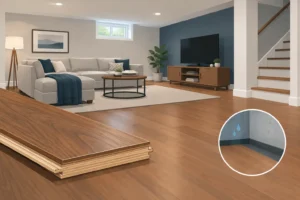
Hardwood is generally not the best choice for bathrooms, laundry rooms, or other spaces with frequent standing water. In those areas, luxury vinyl, ceramic tile, or another moisture-appropriate material may provide better long-term performance. Basements also require careful evaluation of moisture conditions and subfloor construction before selecting any hardwood product.
The advantages of unfinished hardwood come with a more involved installation process. Site finishing creates dust, odors, and temporary disruption, although professional dust-containment equipment and low-odor, water-based finishes can make the experience more manageable.
Installation also requires stable indoor conditions. Wood responds to moisture in the air, so the flooring must acclimate properly and the subfloor must be tested before work begins. In regions with cold winters and changing seasonal humidity, maintaining reasonable indoor humidity helps protect the floor from excessive expansion, shrinking, or gaps.
Cost depends on the wood species, grade, width, installation pattern, subfloor preparation, stain, and finish system. Unfinished material may appear less expensive at first, but the final project cost must include sanding and finishing labor. A detailed estimate is the best way to compare it fairly with prefinished alternatives.
A beautiful hardwood floor starts below the surface. Correct subfloor preparation, moisture testing, fastening methods, expansion allowances, and finish compatibility all affect the final result. Manufacturer specifications should guide each step, not just the visible details.
At Atlantis Tiles and Flooring, professional guidance can help homeowners compare unfinished and prefinished options based on the room, household activity, design goals, and renovation schedule. The right recommendation is not always the same product for every project. It is the floor that performs well where you live and looks right in the home you are creating.
Before choosing a stain, view samples at different times of day and under your home’s actual lighting. A thoughtful decision at that stage can turn unfinished hardwood into the floor that quietly brings every other design choice together.