- 613-421-0505
- info@atlantistilesandflooring.co
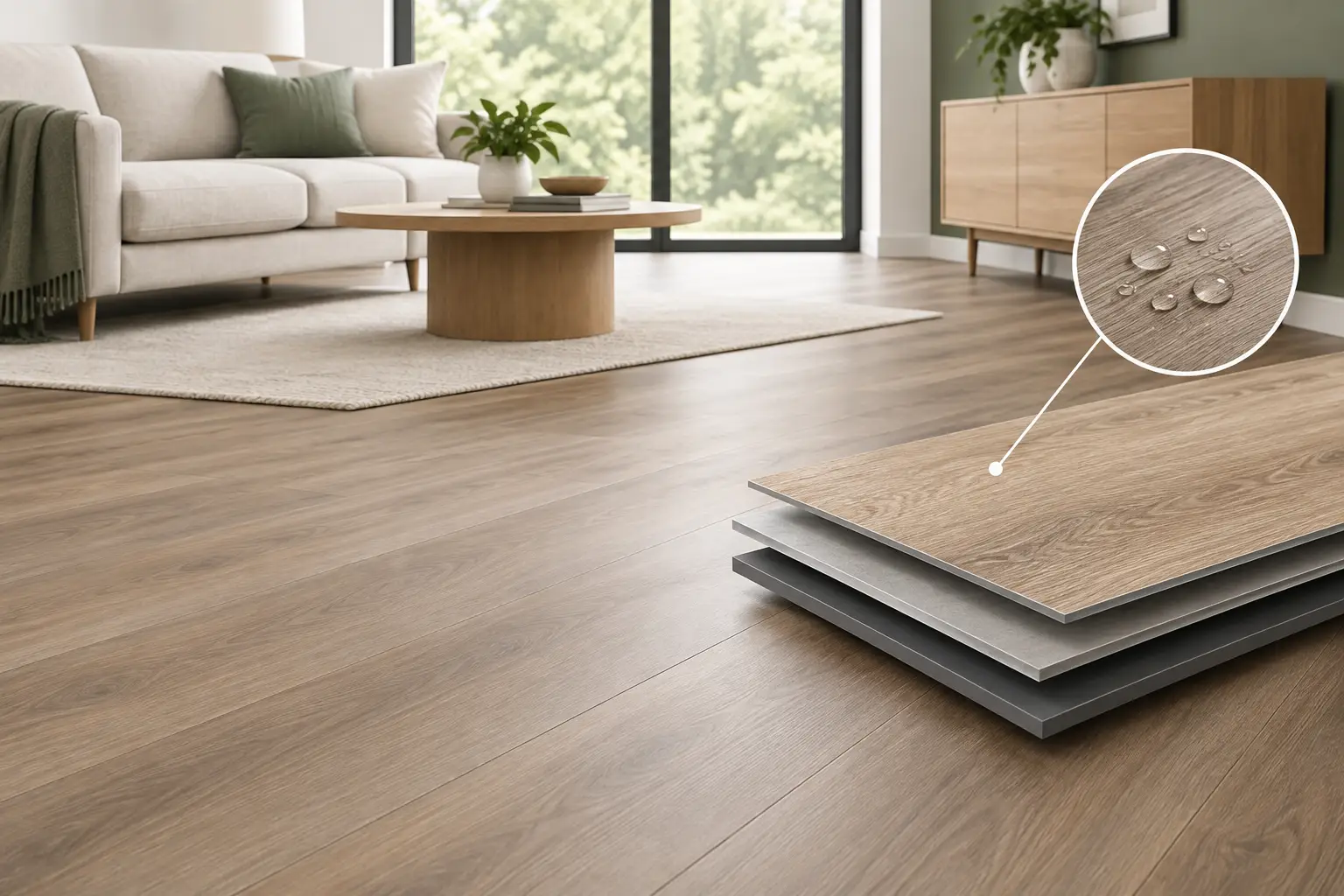
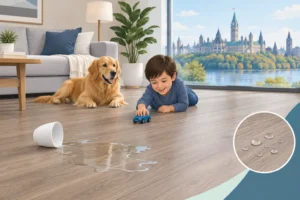
A floor can look like wide-plank oak, hand-set stone, or patterned tile and still stand up to muddy shoes, spilled drinks, pets, and daily traffic. That practical combination is why homeowners often ask, what is considered luxury vinyl flooring? The answer is not simply vinyl with a higher price tag. Luxury vinyl is a multi-layer flooring category designed to provide more realistic visuals, better durability, and greater comfort than traditional sheet vinyl or basic vinyl tile.
For kitchens, basements, bathrooms, rental properties, and busy living spaces, luxury vinyl can be an excellent fit. The right product still depends on how the room is used, what subfloor is underneath, and whether you want a floor that prioritizes water resistance, warmth, visual detail, or long-term wear.
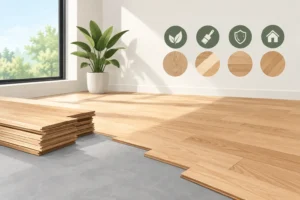
Luxury vinyl flooring is a resilient flooring material made in individual planks or tiles rather than a broad sheet. Luxury vinyl plank, commonly called LVP, is made to resemble wood. Luxury vinyl tile, or LVT, is made to resemble ceramic, stone, concrete, and other tile looks.
Its “luxury” designation usually refers to its construction and appearance. Compared with entry-level vinyl, quality LVP and LVT typically have a thicker, more detailed visual layer, a protective wear layer, and a stable core. Many products also include embossed texture that follows the grain pattern or stone detail, making the floor look and feel more convincing underfoot.
Luxury vinyl is not one single specification. A product can be called luxury vinyl while differing significantly in thickness, wear-layer strength, core material, and installation method. That is why comparing the label alone is not enough. Looking at the full product specifications helps ensure the flooring suits the space and the people using it.
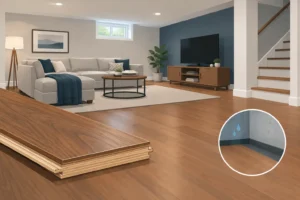
Most luxury vinyl floors are built from several layers that work together. The top wear layer is a transparent protective coating that helps resist scuffs, stains, and everyday abrasion. Beneath it is the printed design layer, which creates the wood, stone, or tile appearance. A core provides structure, and the backing helps support the plank or tile against the subfloor.
The wear layer deserves special attention. It is often measured in mils, which is a unit of thickness, not millimeters. For a lower-traffic bedroom, a lighter residential wear layer may be sufficient. Homes with children, dogs, or active kitchen areas usually benefit from a stronger wear layer. Commercial settings, including offices, retail areas, and multi-unit common spaces, often require products rated for heavier traffic.
Thickness matters too, but it should not be judged by itself. A thicker floor can feel more substantial and may help disguise minor subfloor irregularities, yet a thinner product with a strong wear layer and proper installation can still perform very well. The best choice balances total thickness, core construction, warranty, and the condition of the existing floor.
Traditional flexible LVP or LVT has a more pliable vinyl core and is commonly installed with glue-down or click-lock systems. Glue-down vinyl is a practical choice for many commercial applications because it creates a secure, stable surface that handles rolling loads well when installed correctly.
Rigid-core luxury vinyl uses a firmer core that can provide added stability and a more solid feel. SPC, or stone polymer composite, is especially dense and durable. It is often selected for high-traffic rooms and areas where temperature changes may occur.
WPC, or wood polymer composite, has a lighter, more cushioned core. It can feel warmer and softer underfoot than SPC, making it appealing in living areas and bedrooms. The trade-off is that WPC may be more prone to indentation from very heavy furniture or concentrated loads. Neither option is automatically better – the room and its demands should guide the decision.
Realistic design is one of the clearest differences in luxury vinyl flooring. Better products tend to have sharper image quality, more varied plank or tile patterns, beveling at the edges, and texture that supports the design. A wood-look floor with natural color variation and embossed grain can create a more finished, believable result than a repetitive smooth pattern.
Water performance is another major reason people choose luxury vinyl. The vinyl material itself is generally water resistant, and many rigid-core products are marketed as waterproof. That makes them useful for bathrooms, laundry rooms, kitchens, and below-grade spaces where hardwood may not be the right choice.
However, waterproof does not mean every part of the installation is protected from every moisture problem. Water can still reach the subfloor through gaps at walls, around plumbing fixtures, or beneath an improperly installed floor. Existing moisture issues, leaks, and uneven subfloors should be addressed before installation. In a bathroom, careful perimeter sealing and proper transitions are just as important as choosing a water-resistant plank.
Comfort also sets luxury vinyl apart from ceramic tile and some laminate products. It generally feels warmer and has more give underfoot, which can be welcome in rooms where people stand for long periods. Many products also reduce everyday sound compared with harder surfaces, although an attached pad does not replace the need for an approved underlayment when one is required.
Luxury vinyl is especially well suited to rooms that need practical durability without sacrificing style. A wood-look LVP can bring a continuous visual flow through a kitchen, family room, hallway, and basement. LVT can achieve a stone or tile appearance in a bathroom or entryway without the cold, hard feel of ceramic.
For pet owners, the floor’s scratch resistance and easy cleanup are meaningful advantages. No floor is completely scratch-proof, especially when grit is tracked indoors, but a quality wear layer and routine cleaning help the surface retain its appearance. Using mats at entrances and felt protectors under furniture can further reduce wear.
For commercial spaces, luxury vinyl offers a clean, professional finish with straightforward maintenance. Glue-down LVT or LVP is often worth considering where there is frequent foot traffic, rolling chairs, or equipment. The final product selection should align with the manufacturer’s commercial-use rating and installation requirements.
Luxury vinyl is not intended to replace every flooring material in every project. Hardwood has natural character, can be refinished in many cases, and remains a classic choice for main living areas. It also requires more attention around moisture and can show dents or scratches over time.
Laminate can offer attractive wood looks at a competitive price, but its water resistance varies widely by product and its core can be vulnerable if water gets into seams. Ceramic tile is exceptionally durable and works beautifully in wet areas, but it can feel hard and cold and typically requires more involved installation.
Luxury vinyl occupies a useful middle ground. It offers a broad range of looks, comfortable everyday performance, and strong moisture resistance at a cost that is often more manageable than hardwood or tile. Its main limitation is that it cannot be refinished like wood, so deep damage usually means replacing individual planks or tiles if the installation allows for it.
Start with the room, not the sample board. Consider whether the space faces direct sunlight, sees frequent water exposure, has heavy furniture, or needs to coordinate with adjacent rooms. A busy kitchen may call for a durable rigid-core plank with a strong wear layer, while a bedroom may place more value on comfort and a quieter feel.
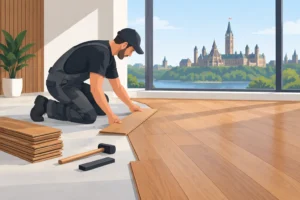
Then consider installation conditions. Luxury vinyl needs a clean, dry, level, and structurally sound subfloor. Click-lock flooring can be a practical option for many homes, while glue-down products may be the better choice for certain commercial or high-traffic installations. Manufacturer requirements matter, particularly for expansion gaps, underlayment, adhesives, and moisture testing.
A professional estimate and site review can prevent costly surprises. Measuring the room accurately, checking floor flatness, planning transitions, and accounting for baseboards, door clearances, and stairs all contribute to a polished finished result. A beautiful luxury vinyl floor performs best when the material and installation method are matched to the project from the beginning.
The strongest choice is the one that fits your home or business after the sample is put down, the traffic is considered, and the installation details are planned. With the right product and proper preparation, luxury vinyl can give a hard-working room a finish that looks considered for years to come.